
The Search for a Lawful Explanation
Guantanamo DiaryThis flow follows Slahi’s repeated effort to make authorities identify the legal basis for his detention, from interrogation-room demands to federal court.
increasing Bearing strength in each event
 decreasing
Bearing strength in each eventdecreasingThe Question Asked in Senegal
What Is the Basis?
A First Interrogation
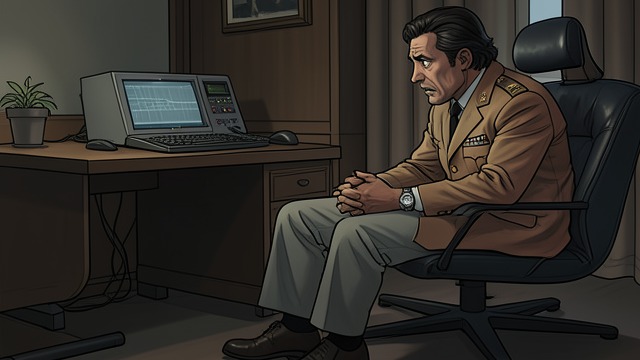
In Senegal, Slahi questioned why his political views or feelings toward the United States mattered when he had committed no crime there. He believed the relevant question should be whether he had broken a law.
A Clear Account
He explained that he had no connection to the plot under investigation. The interrogator appeared to understand that the evidence did not justify holding him.
A Principle Emerges
The early episode establishes his insistence that suspicion should be tied to a specific act. That demand would return repeatedly as authorities detained him without a stable charge.
Why Am I Here?

A Demand in Guantánamo
A Condition for Cooperation
Slahi told interrogators he would answer questions if they explained the reason for his imprisonment. He saw the demand as a matter of common sense, not a technical legal maneuver.
No Adequate Answer
Interrogators said the government had questions and that he might remain for years. They did not identify a charge or offer a courtroom where he could contest the allegations.
The Question Becomes Resistance
Refusing to answer without an explanation gave Slahi a limited way to assert agency. It also made him a target for interrogators who treated noncooperation as proof of guilt.
The Petition in His Own Hand
A Formal Challenge
A Handwritten Filing
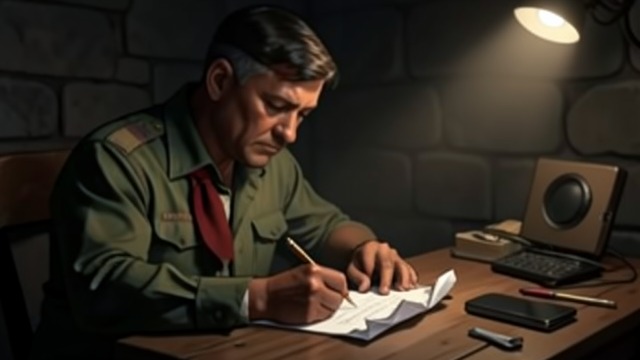
Slahi submitted a habeas petition from his cell, asking a court to review his detention. The filing stated that he had committed no crimes against the United States.
Words Without Legal Training
He described the phrase “writ of habeas corpus” as unfamiliar to an ordinary person, while understanding the core issue: why was the government locking him up? His petition translated that question into law.
An Opening for Review
The petition helped bring his case into federal court. It was a quiet act of self-advocacy after years in which officials had controlled nearly every aspect of his life.
The Judge’s Answer
Evidence Before a Court
A Full Hearing
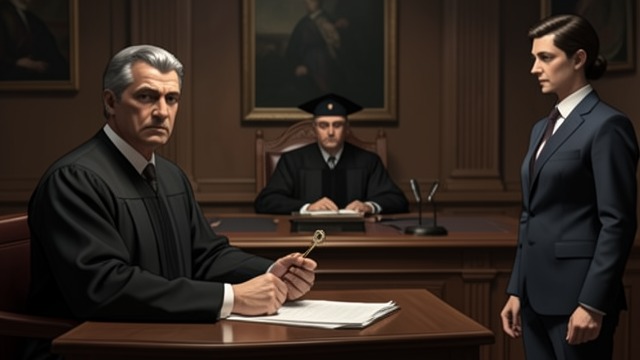
James Robertson heard Slahi’s habeas petition and reviewed the government’s evidence. Unlike an interrogation, the proceeding gave the claims a defined legal forum.
Release Ordered
In March 2010, the judge concluded that detention was not justified under the applicable standard and ordered Slahi released. The decision answered the question officials had repeatedly refused to answer clearly.
A Limited Resolution
The ruling did not immediately free him because the government appealed. Even a favorable judicial answer could be delayed by institutional resistance and a changing legal framework.
Readers as Witnesses

A Public Appeal
A Story Released with Bars
Slahi’s memoir reached readers after years of censorship and editing. It presented his account alongside visible redactions, which marked both what could be read and what remained withheld.
A Request for Fairness
He asked readers to give him the benefit of the doubt and called for a proper investigation into torture and war crimes. His appeal did not ask readers to accept every assertion without judgment.
The Question Persists
The book ends without a final answer about his detention or return home. By making readers witnesses, Slahi extends his demand for explanation beyond the courtroom.
January 2000
Late 2002–early 2003
March 3, 2005
August–December 2009
2012–the memoir’s present
